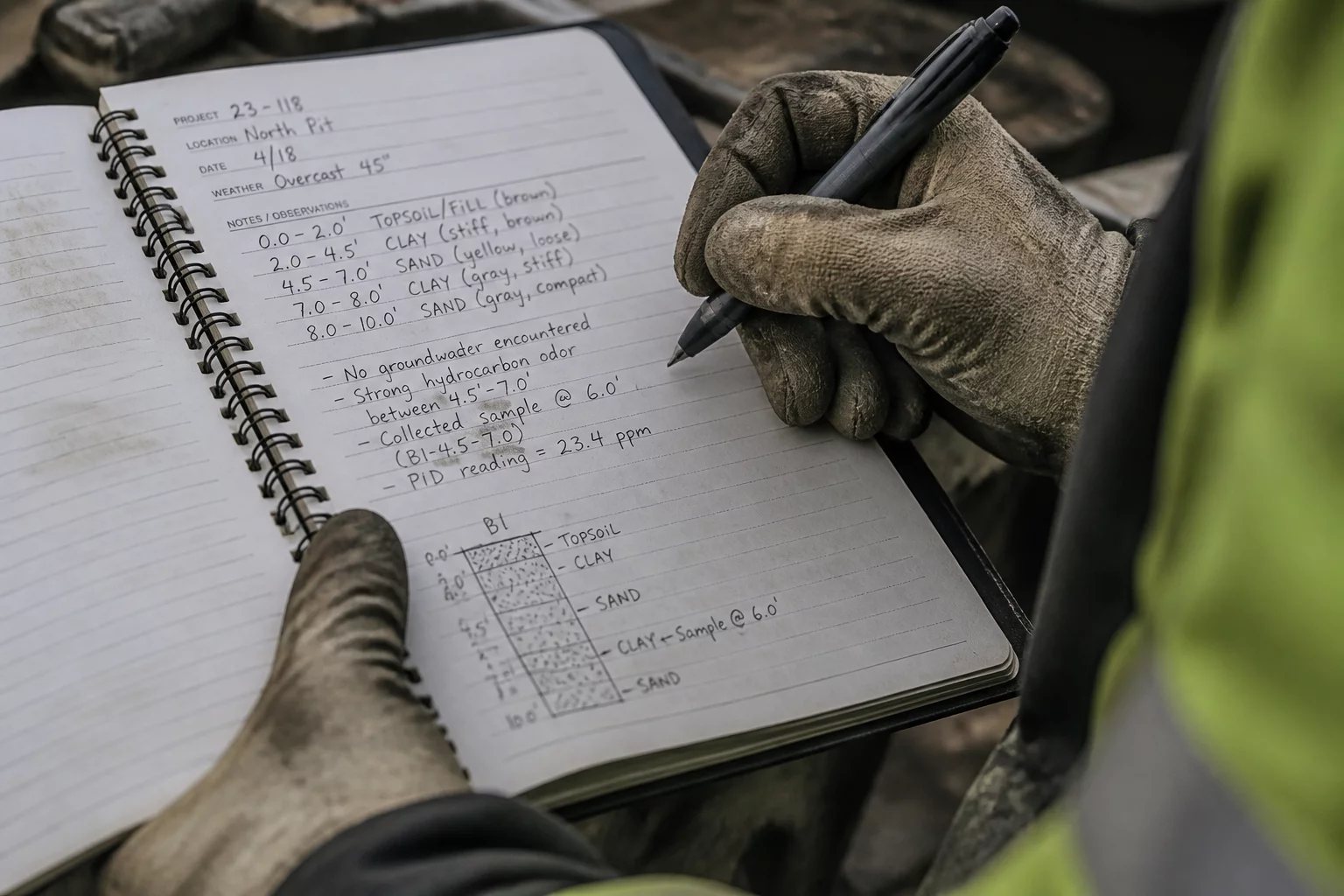
The Operational Importance of Tracking Field Impacts
In active construction environments, minor field modifications can trigger unexpected compounding effects across multiple trades. Documenting these decisions promptly ensures that cost variances, timeline shifts, and material changes are clearly recorded. This preventative practice protects subcontractors from bearing undocumented costs and provides project owners with total visibility into adjustments. Without a centralized, timestamped record, reconstructing the context of a field directive weeks later becomes nearly impossible, leading to prolonged dispute resolution and budget overruns.
Essential Metrics to Capture in the Field
When documenting a decision on site, standard notes are rarely sufficient for claims resolution or engineering audits. Teams must capture specific, quantifiable parameters to ensure the record remains bulletproof. Focus on recording the following elements during the inspection phase:
- Physical Modifications: Note the exact coordinates, gridlines, and material specifications of the altered construction element.
- Resource Fluctuations: Document any additional equipment runtimes, specialized trade labor hours, or material surplus/deficit.
- Authorization Signatures: Ensure that site leads, project engineers, and sub-tier contractors sign off on the temporary or permanent fix.
Methodology Reference
Our core field methodology requires that any adjustment affecting structural integrity, budget, or sequencing must be recorded in the site log within 24 hours. The entry must specify the root cause of the variation, reference the relevant drawing sheets, and identify the authorized decision owner. This ensures a transparent audit trail for all stakeholders.
Practical Site Rules
1. Verify the physical deviation on site using calibrated tools. 2. Capture high-resolution photographs showing the condition with a scale indicator. 3. Convene a quick alignment meeting with the affected subcontractors. 4. Complete the Field Decision Form, attach all visual evidence, and distribute the documented directive to the project team.
Decision Board & Comments
Luke P.
Project ContributorDocumentation saves money.
No decisions or comments have been documented for this field condition yet.
Submit Site Report or Reply